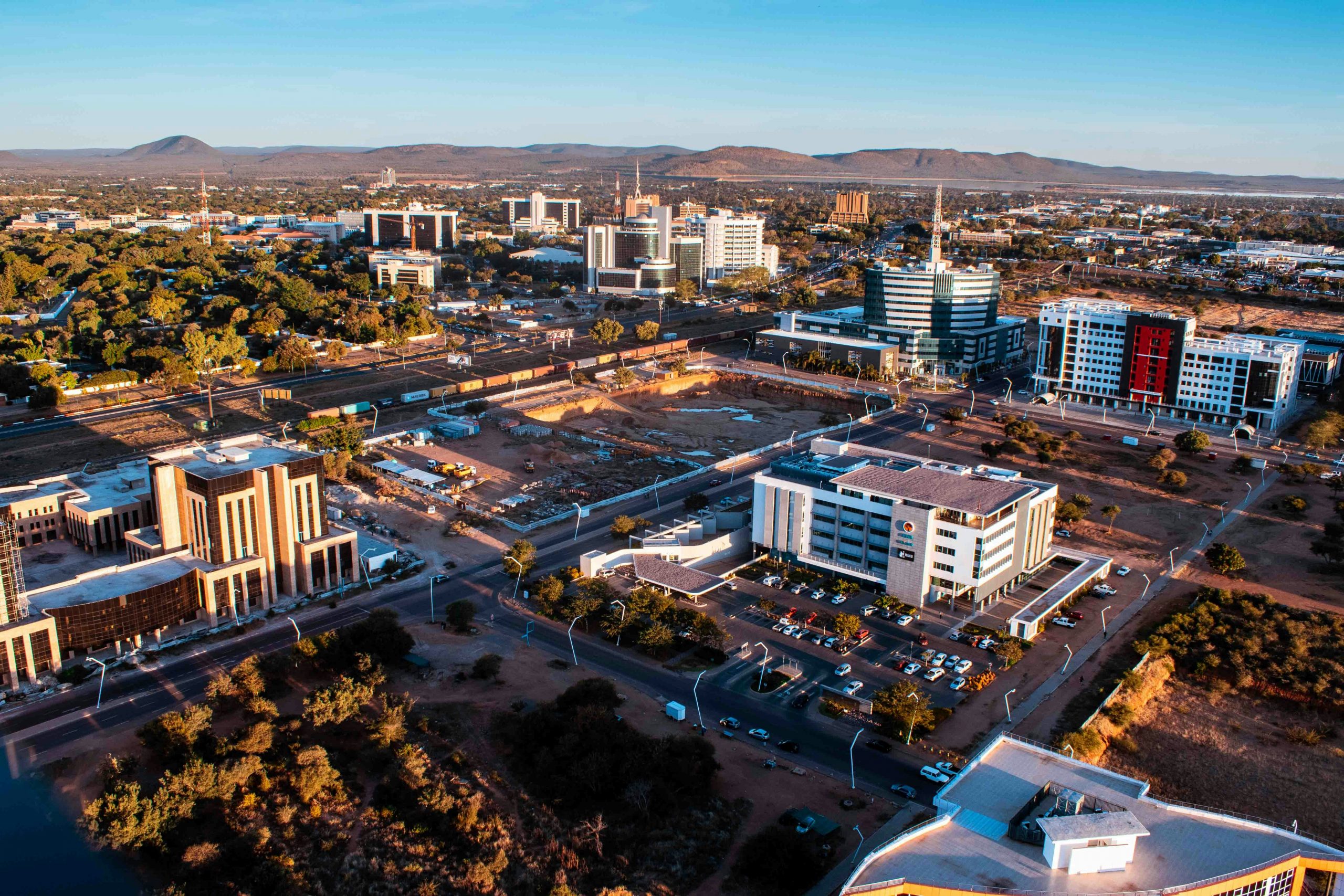
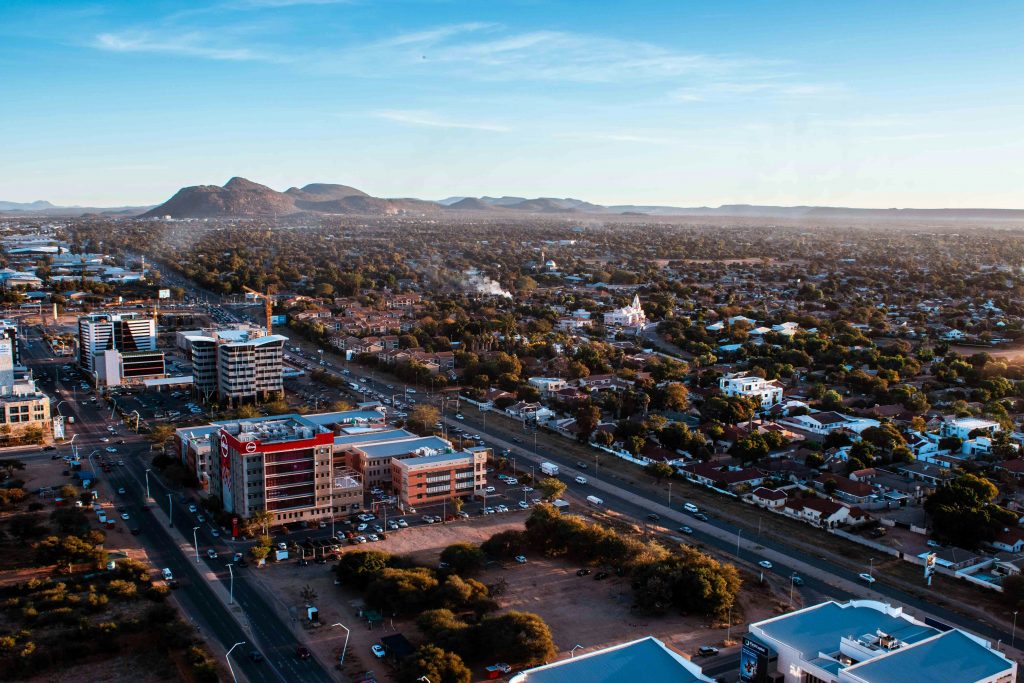
The city of Gaborone is the capital and largest city of Botswana. Located in the southeastern part of the country, near the border with South Africa, it serves as the political, economic, and administrative heart of Botswana. Gaborone became the capital just before independence in 1966, when the territory, then known as Bechuanaland, was preparing to become an independent state.
Unlike many other African capitals, Gaborone is a relatively young and planned city. It has developed rapidly over the past few decades, thanks to the country’s economic growth and the expansion of national institutions, such as the Parliament of Botswana and several regional organizations.
Today, Gaborone combines modern neighborhoods, shopping centers, and public institutions with natural and cultural spaces, offering visitors diverse opportunities for exploration.
Cultural and Urban Spaces in Gaborone
Downtown Gaborone and the Central Business District (CBD)
Downtown Gaborone, often referred to as the Central Business District (CBD), is now one of the most modern areas of the capital. Over the years, it has evolved to host offices, public institutions, hotels, and modern buildings that reflect the country’s economic growth.
The CBD is home to a significant portion of the city’s administrative and financial activities. It also features public spaces, restaurants, and shopping centers, making it a bustling hub for both residents and visitors.
The Three Dikgosi Monument
One of the most iconic monuments in downtown Gaborone is the Three Dikgosi Monument. This monument honors three important traditional leaders in Botswana’s history: Khama III, Sebele I, and Bathoen I. In the late 19th century, these three chiefs traveled to London to meet with the British government. Their goal was to seek protection for their territory against the expansionist ambitions of South Africa and colonial companies.
Their efforts contributed to the creation of the British Protectorate of Bechuanaland, which later became independent Botswana. Inaugurated in 2005, the monument depicts the three chiefs standing side by side, symbolizing their role in preserving the territory’s autonomy. Today, it is one of the most visited sites in downtown Gaborone and a significant symbol of the country’s political history.
Cultural Spaces
The capital is home to several cultural venues that provide insight into Botswana’s history and society. One of the city’s main museums is the Botswana National Museum, which features exhibitions on the country’s history, the traditions of its various cultural groups, and contemporary Botswana art.
Gaborone also has several art galleries and cultural centers showcasing the work of local artists. These venues promote Botswana’s culture and offer a glimpse into the country’s artistic creativity.
Natural Spaces Around Gaborone
Despite its urban development, Gaborone is surrounded by several natural areas where visitors can experience Botswana’s wildlife and landscapes close to the capital.
Gaborone Game Reserve
The Gaborone Game Reserve is one of the most accessible nature reserves in the country, located right on the outskirts of the capital. Established in the 1980s, the reserve protects a savanna and wetland area that is home to various animal species.
Visitors can observe animals such as antelopes, warthogs, zebras, and numerous bird species. The reserve also offers trails and roads that can be explored by car or on foot.
National Botanical Garden
The National Botanical Garden is located a few kilometers north of Gaborone. It was created to preserve and showcase the diverse plant species found in Botswana.
The garden includes several zones dedicated to different types of vegetation, including desert plants, savanna trees, and native species adapted to semi-arid climates. The botanical garden also serves as a center for environmental education and scientific research.
Kgale Hill
Kgale Hill is one of the most well-known hills around Gaborone. Located to the west of the city, it overlooks the capital and offers a panoramic view of the entire region.
The hill is a popular spot for hiking and outdoor activities. Many residents and visitors climb to the summit to enjoy the view of the city, the surrounding plains, and the hills of southeastern Botswana.
Mokolodi Game Reserve
The Mokolodi Nature Reserve is located about 15 kilometers south of Gaborone. This private nature reserve was established to protect local wildlife and promote nature conservation.
The reserve is home to various animal species, including giraffes, zebras, antelopes, and occasionally rhinos. Guided safaris allow visitors to observe the animals in their natural habitat. The reserve also offers educational programs for schools and visitors to raise awareness about biodiversity protection.
A Capital Between City and Nature
Gaborone stands out for its balance between urban development and natural spaces. The reserves and natural sites near the city allow visitors to experience Botswana’s typical wildlife and landscapes without traveling long distances.
With its cultural institutions, museums, and nature reserves, the capital is an ideal starting point for discovering Botswana’s history, culture, and natural environment.
Gaborone Dam
Notwane River
The Gaborone Dam is one of the city’s most important infrastructures and plays a crucial role in supplying water to the capital. Located a few kilometers north of downtown, the dam was built in the 1960s to meet the growing water needs of the rapidly developing city during the independence period.
The dam holds back the waters of the Notwane River, a seasonal river that flows through the region. Thanks to this reservoir, the Gaborone Dam is one of the main sources of drinking water for the capital and surrounding communities. With population growth and urban expansion, this infrastructure has become a central element in water resource management in southeastern Botswana.
Recreational Area at Gaborone Dam
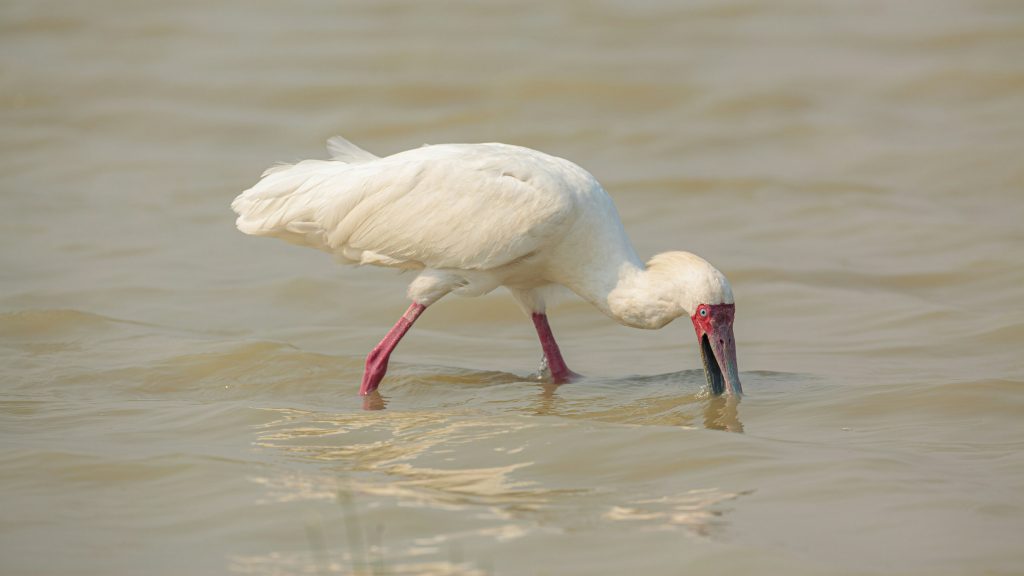
Beyond its utilitarian role, the dam has also become a popular recreational area. The shores of the reservoir offer typical savanna landscapes and attract residents who come to walk, birdwatch, or simply enjoy a natural environment close to the city.
The area around the dam is home to various aquatic and migratory bird species, making it an interesting site for birdwatching. Visitors can observe different species of herons, cormorants, and occasionally migratory birds that stop in the region during their seasonal movements.
The Gaborone Dam also offers an interesting viewpoint to admire the surrounding landscape. From certain vantage points around the dam, it is possible to see the expanse of water, the nearby hills, and the silhouette of the capital in the distance.
Thus, the Gaborone Dam represents both an essential infrastructure for the daily life of the capital and a natural space appreciated by residents and visitors. It exemplifies the balance that the city of Gaborone seeks to maintain between urban development and the preservation of its natural environment.
If you see this after your page is loaded completely, leafletJS files are missing.